Source Portable 30x Refracting Binoculars for Travel, Hunting, and Bird Watching
Explore 30 options for portable 30x refracting binoculars suitable for travel, hunting, and bird watching. Compare features like high-definition optics, waterproof designs, and manual focus lenses to find the right equipment for your outdoor needs; compare the available evidence and request quotations based on your requirements.
Key considerations
Products List


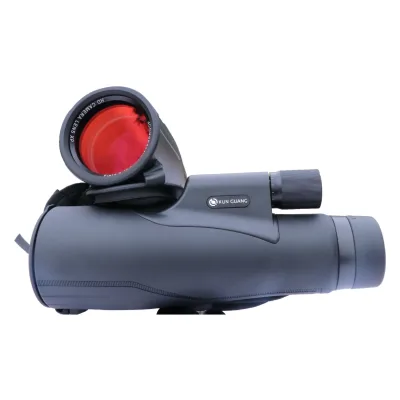
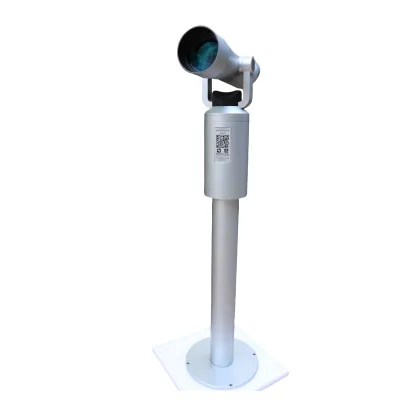
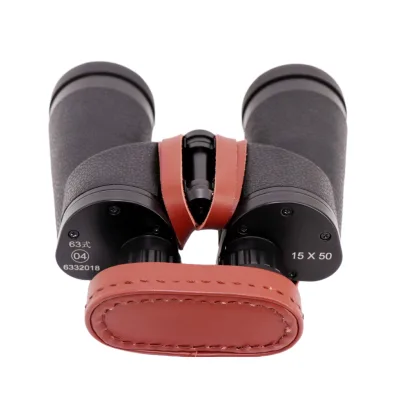
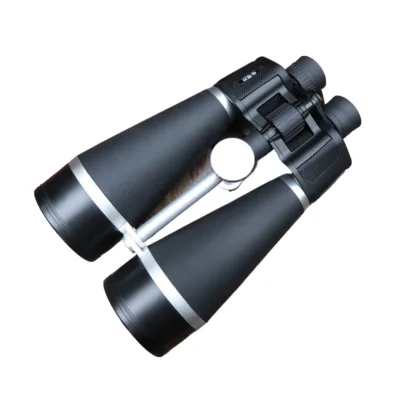
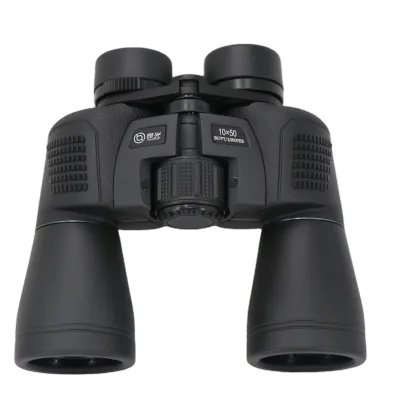
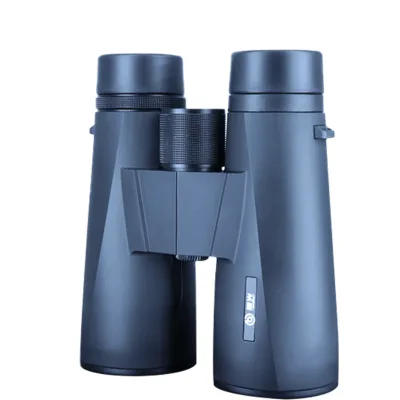


Comprehensive Sourcing Guide
Portable 30x Refracting Binoculars Sourcing Guide
Procuring portable 30x refracting binoculars requires distinguishing between optical instruments and thermal imaging devices, as the supplied market data reveals a mix of products including thermal binoculars with infrared technology. Buyers must carefully verify that the optical system matches the specific refracting requirement rather than accepting thermal sensors or CCTV camera specifications that appear in general listings. The observed product range includes models with varying sensor sizes and resolutions, necessitating a strict filter to isolate true optical refracting units suitable for astronomical or bird watching applications.
The market data indicates significant variation in product attributes, with some listings describing manual focus lenses and others featuring pan/tilt capabilities or remote control functions. Sourcing professionals should prioritize suppliers who explicitly define the optical magnification and lens type, as the provided facts show a prevalence of thermal sensors and infrared technology rather than standard visible light refracting optics. This distinction is critical for ensuring the final procurement meets the intended use case of high-magnification visual observation without the interference of thermal imaging components.
Product Scope and Observed Listing Signals
The observed product listings demonstrate a wide spectrum of specifications, ranging from handheld thermal cameras with 640x512 sensors to standard CCTV cameras with 480tvl or 650tvl resolutions. Buyers must scrutinize the "Type" and "Feature" fields to confirm the presence of a refracting lens system, as many items are categorized as thermal binoculars or general surveillance equipment. The data shows effective distances of 30 meters or more, but this metric often applies to infrared detection ranges rather than optical clarity at 30x magnification.
Listing signals such as "High Definition" and "Waterproof / Weatherproof" are common across multiple product models, yet the specific optical construction varies significantly between items. Some products are packed in suitcases or wooden crates, suggesting heavy-duty industrial use, while others use simple paper boxes for lighter consumer goods. Procurement teams should verify the "Kind" of lens, ensuring it is a manual focus refracting lens rather than a zoom or pan/tilt mechanism, which are listed as distinct attributes in the current market data.
Technical Specifications to Verify
When evaluating technical specifications, the sensor size and resolution are primary indicators of performance, with observed data showing 1/4 inch and 1/3 inch sensors alongside specific thermal resolutions. Buyers must confirm that the horizontal resolution aligns with the intended visual clarity, noting that values like 480tvl or 650tvl may refer to electronic video output rather than optical line pairs. The presence of HDMI formats ranging from 480P to 720P suggests digital integration capabilities, but these do not guarantee the optical quality required for a 30x refracting system.
The physical dimensions and weight are also critical verification points, as observed models range from compact units weighing 2.2kg to larger handheld devices with specific standard dimensions. Buyers should check the thermal lens options, such as 50mm, 75mm, or 100mm, to ensure they match the required field of view and light-gathering ability for astronomical or hunting applications. It is essential to distinguish between the thermal sensor specifications and the optical lens parameters to avoid purchasing a device that lacks the necessary refracting capabilities for high-magnification viewing.
Compliance and Safety Documentation
Compliance documentation is a vital component of the sourcing process, with observed certifications including CE, CCC, RoHS, SGS, FCC, and ISO9001. Buyers must request specific test reports that validate the safety of the optical components and the electrical systems, particularly for devices featuring infrared technology or remote control functions. The presence of multiple certifications in the market data suggests a diverse supplier base, but each product must be individually verified to ensure it meets the regulatory standards of the destination market.
Safety standards for handheld devices often include requirements for durability and weatherproofing, which are listed as key features in several product descriptions. Procurement teams should verify that the "Vandal-proof" and "Waterproof / Weatherproof" claims are backed by independent testing results, as these attributes are critical for outdoor applications like bird watching or hunting. Ensuring that the product origin, such as Shandong Province or Jinan, aligns with the supplier's quality control processes is also necessary to maintain compliance with international safety regulations.
Cost Drivers and Commercial Terms
Cost drivers for portable optical instruments include the complexity of the lens system, the quality of the sensor, and the level of customization available. The observed price range of 1 to 10,000 USD reflects this variability, with higher costs associated with advanced thermal sensors, larger apertures, and specialized packaging like suitcases or wooden crates. Buyers should analyze the cost per unit against the specific technical requirements, as the inclusion of features like remote control or pan/tilt mechanisms can significantly impact the final price.
Commercial terms such as MOQ and lead times are influenced by the customization options and the specific model selected, with observed MOQs ranging from 1 to 500 units. The packing method, whether carton, paper box, or wooden crate, also affects shipping costs and must be factored into the total landed cost calculation. Procurement professionals should negotiate based on the observed product models and their associated specifications, ensuring that the agreed terms reflect the actual value and complexity of the refracting binoculars being sourced.
Supplier Qualification and Quality Control
Supplier qualification requires a thorough review of the manufacturer's location and production capabilities, with observed origins including Shandong China and Jinan, Shandong. Buyers should verify the supplier's ability to maintain consistent quality across different product lines, as the data shows a mix of thermal cameras, CCTV units, and optical binoculars. The presence of "High Quality" and "Durable" attributes in the listings suggests a focus on robust manufacturing, but independent audits are necessary to confirm these claims.
Quality control processes must be aligned with the specific standards observed, such as CE, FCC, and ISO9001, to ensure that every unit meets the required performance benchmarks. Suppliers should demonstrate a clear understanding of the distinction between thermal and optical technologies, providing detailed specifications for each product model. Buyers should request sample units to test the refracting lens quality and verify that the product matches the described attributes, such as the 30x magnification and manual focus capabilities.
Long-Term Procurement Checks
Long-term procurement checks involve monitoring the supplier's ability to maintain product consistency and support after-sales service for the portable 30x refracting binoculars. Buyers should establish a feedback loop to track performance issues, such as lens degradation or sensor failures, which can impact the reliability of the equipment over time. The observed "High-Performance" and "Very Practical" attributes indicate a demand for durable products, but ongoing quality assurance is essential to sustain these standards.
Regular audits of the supplier's production lines and quality control protocols are necessary to ensure that the product specifications remain stable and compliant with evolving market standards. Buyers should also verify the availability of spare parts and technical support, particularly for complex models with thermal sensors or remote control features. Establishing a long-term partnership with a qualified supplier will help mitigate risks and ensure a steady supply of high-quality optical instruments for various applications.
FAQs
What certifications do these binoculars have?
These binoculars carry CE, CCC, RoHS, and SGS certifications. Some models also include FCC and ISO9001 compliance. These standards ensure safety and quality for international buyers. Verify specific certificates with the supplier before ordering to confirm regulatory alignment for your target market.
Can I customize the packaging for these units?
Yes, customization is available for these binoculars. Suppliers offer options like cartons, wooden cases, suitcases, or paper boxes. You can select packaging that fits your logistics needs. Confirm the exact packing material and dimensions with the manufacturer to ensure product protection during transit.
What is the effective distance for infrared models?
The effective distance is at least 30 meters for infrared-equipped models. This range supports detection in low-light conditions. Performance may vary based on environmental factors. Check the specific sensor resolution and lens type to determine the optimal detection range for your operational requirements.
Where are these binoculars manufactured?
These binoculars are manufactured in Shandong Province, China, including Jinan. This region is known for optical equipment production. Buyers can source directly from factories in this area. Confirm the exact city and factory details with the supplier to verify production capabilities and quality control processes.
What sensor resolutions are available?
Available resolutions include 650tvl and 480tvl for standard models. Thermal variants feature 640x512 sensors. HDMI formats range from 480P to 720P. Select the resolution based on your clarity needs. Verify the sensor type and format with the supplier to ensure compatibility with your display systems.
What is the minimum order quantity?
The minimum order quantity ranges from 1 to 500 units. This flexibility supports both sample testing and bulk procurement. Suppliers may adjust MOQ based on customization requirements. Confirm the exact MOQ and pricing tiers with the vendor to align with your budget and inventory strategy.